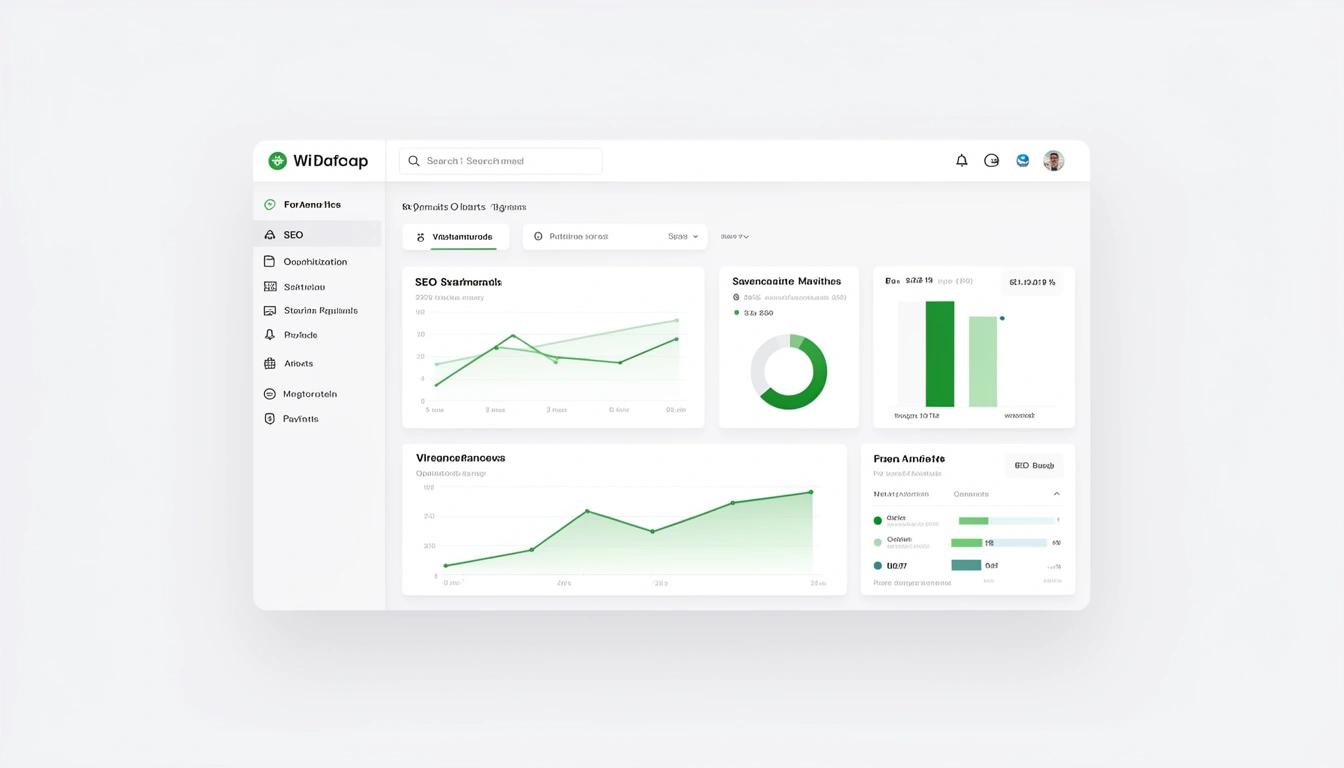
Finding the right SEO software for your SaaS can feel overwhelming. With dozens of tools promising to boost your rankings, how do you know which ones actually deliver ROI? In 2026, the SEO software landscape has evolved dramatically, with AI-powered automation and integrated platforms replacing the fragmented tool stacks of previous years. Let's break down what modern SaaS companies should prioritize when selecting SEO software.
The Shift from Fragmented Tools to Unified Platforms
Three years ago, SaaS companies juggled separate tools for keyword research, content optimization, technical audits, and rank tracking. This approach created data silos, duplicated effort, and made it difficult to attribute SEO performance to business outcomes. Today's leading SEO platforms for SaaS startups consolidate these functions into unified systems that automate repetitive tasks while providing actionable insights.
The most effective platforms now integrate directly with your content management system, automatically optimizing pages as you publish rather than requiring manual audits after the fact.
Must-Have Features for SaaS SEO Software in 2026
When evaluating SEO software, prioritize these capabilities:
1. Automated Content Optimization
Your SEO software should analyze content in real-time, suggesting keyword placements, heading structures, and readability improvements. The best tools now use AI to predict how content will perform before you publish, saving countless hours on trial-and-error optimization.
2. Programmatic SEO Capabilities
SaaS companies often need to target hundreds of long-tail keywords across different use cases, industries, or locations. Look for platforms that can generate and manage programmatic SEO pages at scale without sacrificing quality.
3. Integrated Publishing Workflow
The most valuable SEO software eliminates the gap between optimization and publishing. Platforms like LeafPad combine content creation, SEO optimization, and publishing in one workflow, ensuring every piece of content is optimized before it goes live.
4. App Store and Web App Optimization
Many SaaS products now extend beyond traditional websites to include mobile apps, progressive web apps, or browser extensions. Forward-thinking SEO platforms address this reality with dedicated app optimization features. Our complete guide to app SEO optimization for SaaS explores how the right tools help you rank in both search engines and app marketplaces, ensuring you capture users wherever they discover products like yours.
5. Social Media Integration and Optimization
In 2026, the line between social media and SEO has blurred significantly. Social signals, content distribution, and brand mentions across platforms now directly impact search visibility. The best SEO software includes features that track and optimize your social media presence as part of your overall SEO strategy. Our social media SEO strategy guide for SaaS shows how to leverage social platforms to amplify your organic search performance and build the authority signals that modern search algorithms prioritize.
The Hidden Cost of Manual SEO Tools
Many SaaS founders underestimate the time cost of traditional SEO workflows. Between manual keyword research, content audits, and technical fixes, teams can spend over 780 hours annually on tasks that modern software automates. Automatic SEO systems now handle these repetitive processes, freeing your team to focus on strategy and content quality.
SEO vs. SEM: Choosing the Right Software Stack
While organic search remains foundational for sustainable growth, many SaaS companies benefit from combining SEO with paid search engine marketing. The decision between focusing exclusively on SEO software versus investing in SEM tools—or balancing both—depends on your growth stage, budget, and timeline to results. If you're evaluating whether to complement your organic efforts with paid search, our SEM software guide for SaaS helps you understand when SEM tools make sense and how to select platforms that integrate seamlessly with your SEO stack for maximum marketing efficiency.
Why Integration Matters More Than Feature Count
A platform with 50 features you never use creates more complexity than value. The best SEO software for SaaS integrates seamlessly with your existing tech stack your CRM, analytics, and content platform. This integration enables closed-loop reporting, showing exactly how SEO efforts translate into trials, demos, and revenue.
For technical teams, look for platforms that offer robust APIs and webhook integrations, allowing you to automate content distribution across multiple properties from a single dashboard.
Evaluating ROI: What Actually Moves the Needle
Don't get distracted by vanity metrics like domain authority scores. The right SEO software helps you track metrics that matter: organic traffic growth, keyword ranking improvements, and most importantly, conversion rates from organic visitors. Non-technical founders should prioritize platforms that present data in business-friendly dashboards rather than requiring deep SEO expertise to interpret.
When to Partner with an SEO Agency Instead
While the right SEO software can dramatically improve your organic performance, some SaaS companies find that partnering with a specialized agency delivers faster results—especially during critical growth phases. If your team lacks the bandwidth to execute a comprehensive SEO strategy, or if you're entering competitive markets where expert guidance is essential, an agency can complement or even replace your software-only approach. Our SEO agency selection guide for SaaS companies helps you evaluate whether an agency partnership makes sense for your situation and what to look for when choosing the right team.
Building an SEO Business or Service Offering
As you master SEO software selection for your own SaaS, you may discover opportunities to help other companies navigate these decisions. Many professionals are leveraging their expertise in modern SEO tools and strategies to launch consulting practices or agencies. If you're considering this path, our complete guide on how to start an SEO business in 2026 walks through everything from choosing your service niche to selecting the right software stack for client work.
Future-Proofing Your SEO Stack
As AI search engines and answer engines reshape how users discover content, your SEO software must evolve. Look for platforms that optimize for AI discovery, not just traditional search rankings. This includes structured data automation, passage-level optimization, and content that answers the questions AI systems prioritize.
Making Your Decision
Start by auditing your current SEO workflow. Where do you spend the most time? What tasks require manual intervention that could be automated? Choose software that addresses your specific bottlenecks rather than chasing the most feature-rich platform.
For SaaS companies serious about organic growth, the right SEO software isn't an expense it's an investment that compounds over time, building domain authority and driving sustainable traffic without the ongoing cost of paid acquisition.
Published with LeafPad