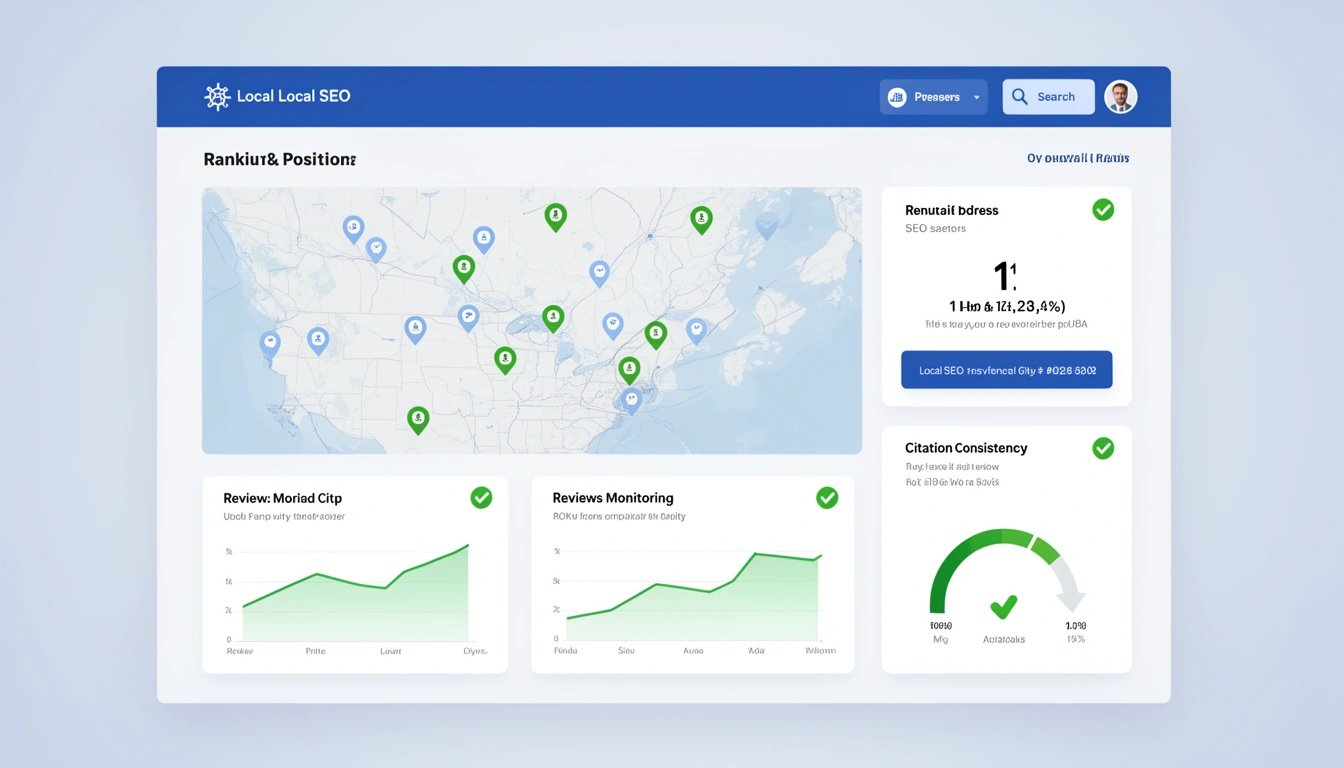
Local SEO support has evolved beyond basic citation building and Google My Business optimization. In 2026, businesses need comprehensive, automated systems that monitor rankings, respond to changes, and maintain local visibility across multiple platforms without requiring constant manual intervention.
This guide explores how modern local SEO support works, what businesses should expect from automated solutions, and how to choose the right support system for sustainable local search growth.
What Local SEO Support Actually Means in 2026
Traditional local SEO support meant hiring an agency to manually update citations, respond to reviews, and occasionally check rankings. Modern automated local SEO support operates differently.
Today's systems continuously monitor your local presence, automatically detect issues like citation inconsistencies or ranking drops, and even generate location-specific content that keeps your business visible across search engines and AI platforms.
The shift from reactive to proactive support means businesses catch problems before they impact revenue not weeks later when rankings have already declined.
Core Components of Effective Local SEO Support
Automated Rank Monitoring
Manual rank checking is obsolete. Modern local rank tracker tools continuously monitor your positions for target keywords across specific geographic areas, alerting you to changes that require attention.
Citation Management and Consistency
Your business information needs to be identical across hundreds of directories, review sites, and data aggregators. Automated systems detect discrepancies and either fix them programmatically or flag them for correction.
Review Monitoring and Response
Customer reviews directly impact local rankings. Comprehensive support includes monitoring reviews across platforms, generating response templates, and tracking review sentiment trends over time.
Location-Specific Content Generation
Businesses with multiple locations need unique, optimized content for each area. Automated systems can generate location pages that avoid duplicate content penalties while maintaining SEO effectiveness at scale.
How to Evaluate Local SEO Support Options

When choosing between agencies, software platforms, or hybrid solutions, consider these critical factors:
Transparency and Reporting
Your support system should provide clear visibility into what's happening with your local presence. Look for platforms that offer real-time dashboards showing ranking positions, citation status, review metrics, and competitive positioning.
Automation Level
The best solutions automate routine tasks while flagging strategic decisions for human review. Complete automation without oversight can be risky, but purely manual processes don't scale efficiently.
Multi-Location Scalability
If you operate in multiple cities or plan to expand, ensure your support system can handle growth without proportional cost increases. Local SEO services should scale with your business, not become more expensive with each new location.
Integration with Existing Systems
Your local SEO support should connect with your website, CRM, and analytics platforms. Isolated systems create data silos that prevent you from understanding the full customer journey.
Common Local SEO Support Mistakes to Avoid
Relying on Set-It-and-Forget-It Solutions
Even automated systems require strategic oversight. Local search algorithms change, competitors adjust tactics, and your business evolves. Regular reviews ensure your support system remains aligned with business goals.
Ignoring Emerging Platforms
Local SEO in 2026 extends beyond Google. AI search platforms, voice assistants, and emerging review sites all influence local visibility. Comprehensive support monitors and optimizes for these channels too.
Focusing Only on Rankings
High rankings mean nothing without conversions. Effective support tracks the complete funnel from search visibility through website visits to actual customer actions like calls, form submissions, and purchases.
Building Internal Support Capacity
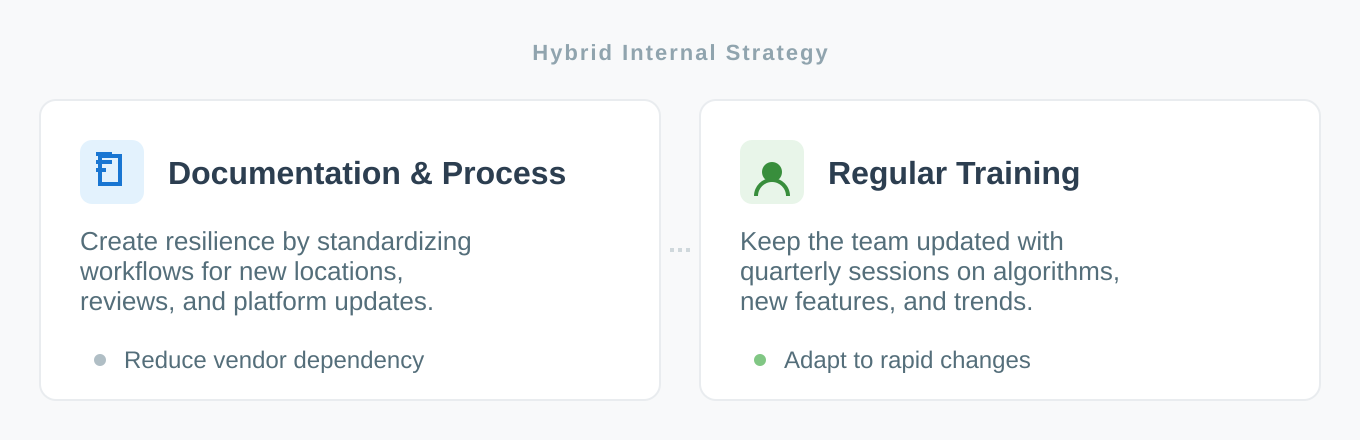
Many businesses benefit from hybrid approaches that combine external tools with internal knowledge. Training your team on improving local search visibility creates resilience and reduces dependency on external vendors.
Documentation and Process
Document your local SEO workflows, including how to handle common scenarios like opening new locations, responding to negative reviews, or updating business information across platforms.
Regular Training
Local search changes rapidly. Quarterly training sessions keep your team updated on algorithm changes, new features, and emerging best practices.
Measuring Local SEO Support ROI
Effective support should demonstrate clear return on investment through metrics like:
- Search visibility increases: Track impressions and click-through rates for local queries
- Ranking improvements: Monitor position changes for target keywords across locations
- Conversion rate optimization: Measure how local traffic converts compared to other channels
- Customer acquisition cost: Calculate the cost of acquiring customers through local search versus paid channels
- Revenue attribution: Connect local search activity to actual sales and revenue
The Future of Local SEO Support
As AI continues advancing, expect local SEO support to become more predictive. Rather than reacting to ranking changes, future systems will forecast potential issues and automatically implement preventive measures.
Machine learning will enable hyper-personalized local content that adapts to individual user intent, location, and search history all while maintaining your brand voice and compliance requirements.
Choosing the Right Support Model for Your Business
Small businesses with single locations often benefit from comprehensive software platforms that automate most tasks while providing educational resources. Mid-sized businesses with 5-20 locations typically need hybrid solutions combining software with strategic consulting. Enterprises with hundreds of locations require enterprise-grade platforms with dedicated support teams.
The key is matching your support model to your business complexity, growth trajectory, and internal capabilities. The wrong choice either leaves you under-supported and vulnerable to competitors, or over-supported with costs that don't justify the returns.
In 2026, local SEO support isn't optional it's infrastructure. Just as businesses need reliable hosting and security, they need continuous local search optimization to maintain visibility, attract customers, and drive revenue in an increasingly competitive digital landscape.
Published with LeafPad