Automatic SEO optimization is just using software to catch and fix on-page SEO issues before you hit publish. You don't have to manually review every single post. It scans content for keyword gaps, meta problems, structural errors, and readability issues, then either applies fixes or points them out right there. Honestly, it takes the guesswork out of the whole SEO content optimierung process.
Most teams still treat SEO like a manual chore. Someone writes a draft, passes it to an editor who runs down a checklist, and days later the fixes go live. That lag is killer especially when search algorithms update weekly. Automatic SEO optimization closes the gap by making the fixes happen while you're actually writing.
What automatic SEO optimization actually does
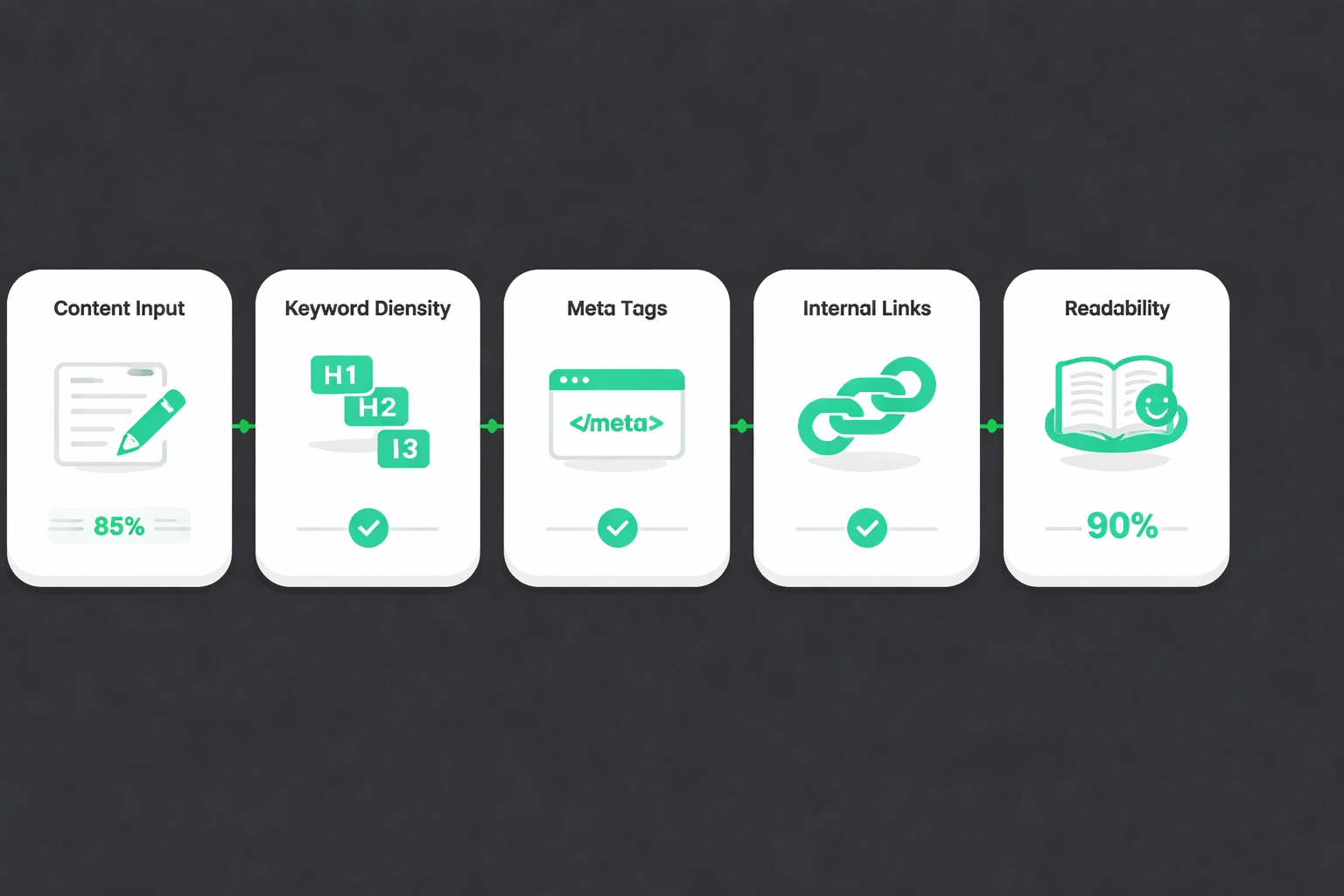
Instead of running checks manually, an automated system analyzes your content in real time. It looks at keyword density, heading hierarchy, meta tags, internal links, and readability all at once. It flags problems as you type, not three days after you publish.
This isn't a static checklist. A checklist just tells you what to look for. Automated tools tell you what's wrong right now and usually suggest the exact fix. Say your target keyword is in the body but missing from the H1. The tool flags it immediately and gives you a corrected heading to use.
Usually, an automated pass looks at things like:
- Keyword placement in title, headings, and first 100 words
- Meta description length and keyword inclusion
- Internal linking density and relevance
- Readability score against target audience level
- Image alt text presence
- URL slug structure
- Heading hierarchy (H1, H2, H3 order)
Tools like LeafPad's SEO content analysis checklist cover the manual version of this process. Automatic SEO optimization just runs those same checks continuously instead of once before publishing.
Why SEO content optimierung needs automation in 2026
You can't scale manual SEO past a handful of posts a month. Doing it right takes 20 to 40 minutes per article. If your team publishes daily or weekly, you'll run out of hours before you run out of ideas.
Search engines in 2026 also update ranking signals way more often than they did two years ago. A manual optimization pass you did last month might already be outdated. Automatic tools update their scoring models continuously, so the advice you get reflects what algorithms are doing today, not last quarter's rules.
Look at the math for a five-person team pushing 20 posts a month:
| Task | Manual Time (per post) | Automated Time (per post) |
|---|---|---|
| Keyword check | 8 minutes | Instant |
| Meta tag review | 5 minutes | Instant |
| Internal linking | 10 minutes | 1 to 2 minutes (review only) |
| Readability pass | 7 minutes | Instant |
| Total per post | 30 minutes | 2 minutes |
Across 20 posts, that's 10 hours saved every single month, per person. We cover the broader efficiency argument in Automatic SEO: Complete Guide for SaaS & Startups, but the savings really stack up at the content optimization stage.
Core components of an automatic SEO system
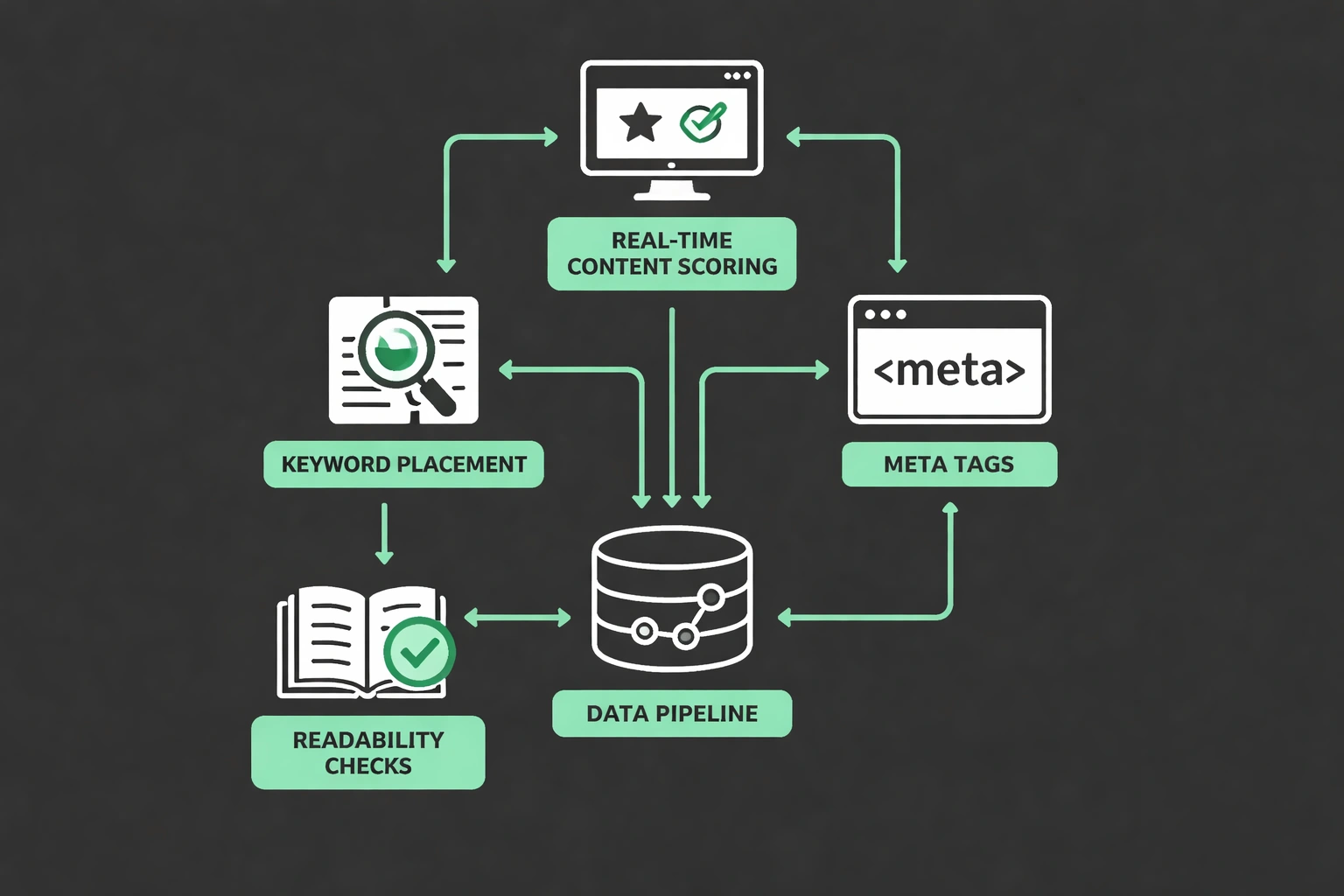
An automatic SEO system isn't just one big feature. It's a bunch of connected modules that each handle a specific part of the process, feeding data to each other. Together, they form a pipeline that runs whenever you create or edit content.
Real-time content scoring
Real-time content scoring assigns a numeric or letter grade to your draft as you write it. The score updates with every sentence. It gives you immediate feedback instead of waiting for a separate review cycle. Scoring models usually weigh things like primary keyword usage, secondary keyword coverage, content length compared to top competitors, sentence and paragraph structure, and heading distribution.
Automated meta tag generation
These systems write title tags and meta descriptions based on your actual content. They pull key phrases from the body text and format them to fit character limits. It skips one of the most frequently ignored SEO steps.
You can use standalone tools like LeafPad's meta description generator and SEO title generator for this. But in a full automated system, it just happens at publish time without a separate tool visit.
Internal link suggestion engines
Internal link engines scan your existing site content and recommend pages to link to from new posts. They match topic relevance and anchor text automatically. It keeps your site architecture strong without you having to manually audit links.
This pairs directly with the internal linking tools on LeafPad, which handle the discovery and placement of contextual links across your blog.
How automatic optimization differs from one-time audits
Automatic optimization runs continuously; a one-time audit is just a snapshot in time. Audits are great for diagnosing problems on a live site. But automatic optimization stops those problems from appearing in new content.
An audit might tell you that 40% of your blog posts lack proper H2 structure. That's useful to know. But it won't stop the 41st post from having the exact same issue unless your workflow changes.
Automatic optimization puts the fix right into the writing process. Every new draft gets checked against the rules that flagged the old problems.
The best sites do both:
- Run a one-time audit to get a baseline
- Fix the gaps you find
- Turn on automatic optimization for all future content
- Re-audit quarterly to make sure the automation is working
Common mistakes with automatic SEO optimization
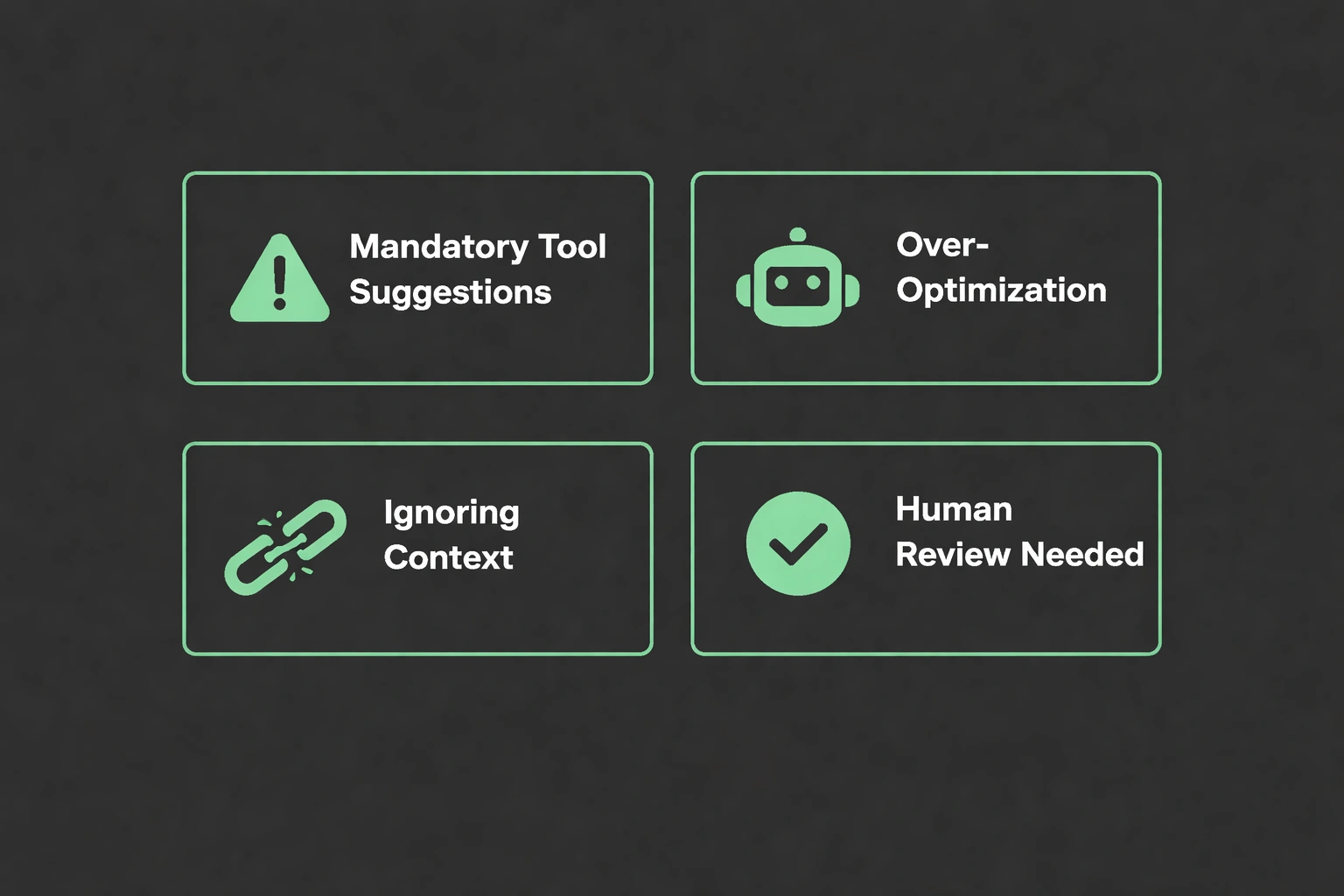
The biggest failure mode is treating the tool's suggestions as mandatory rather than advisory. Over-optimizing for a keyword score makes your writing robotic and repetitive. Search engines and readers both hate content that reads like it was written for a score instead of a human.
Another mistake is ignoring context. I've seen tools flag a missing keyword in an H2, but forcing it in unnaturally hurts readability way more than it helps rankings. The best way to use these tools is as a first pass, then apply human judgment to the final 10% of edits.
Also, don't run automatic optimization on content that was never structured properly to begin with. If your content strategy is weak, no amount of automated tagging will save it. This is why these tools work best alongside a solid foundation, as outlined in SEO content development and SEO-driven content strategy.
Measuring the impact
You should measure this by tracking ranking movement, indexing speed, and time saved per content piece over a 90-day window. A bump in your tool's score doesn't instantly mean higher rankings. Search engines need time to recrawl and reassess.
Useful metrics to track monthly:
- Average time to publish per post
- Number of posts hitting a target optimization score before publish
- Organic traffic change on optimized versus non-optimized posts
- Click-through rate on automatically generated meta descriptions
- Internal link count per post over time
Teams using LeafPad's broader SEO automation suite often pair these metrics with the content calendar to see if faster optimization actually leads to more consistent publishing.
Getting started with automatic SEO optimization
Start by picking a tool that integrates directly into your existing writing workflow. If it's a separate app, people will forget to open it. LeafPad's editor builds this right into the drafting screen.
Start small. Turn on automatic checks for one content type, like blog posts, before expanding to landing pages or product descriptions. Review the first 10 or 15 automated suggestions manually to see if you actually trust the system. Once the suggestions match what a human editor would recommend, scale up.
Automatic SEO optimization isn't a replacement for good writing. It's a safety net that catches the technical details humans routinely forget under deadline pressure. Used right, it turns SEO content optimierung from a bottleneck into a background process that just happens as you create content.
For a broader look at how AI-powered tools fit into this, check out the SEO text tools hub for the full cluster of guides on modern content optimization.
Published with LeafPad