Local SEO is evolving faster than ever. As we move through 2026, the strategies that worked just a year ago are already becoming outdated. From AI-powered search experiences to hyper-local personalization, businesses need to stay ahead of these shifts to maintain visibility in local search results.
This guide explores the most significant local SEO trends shaping 2026 and how automated local SEO strategies can help you adapt quickly without overwhelming your team.
AI-Powered Local Search is Dominating Results
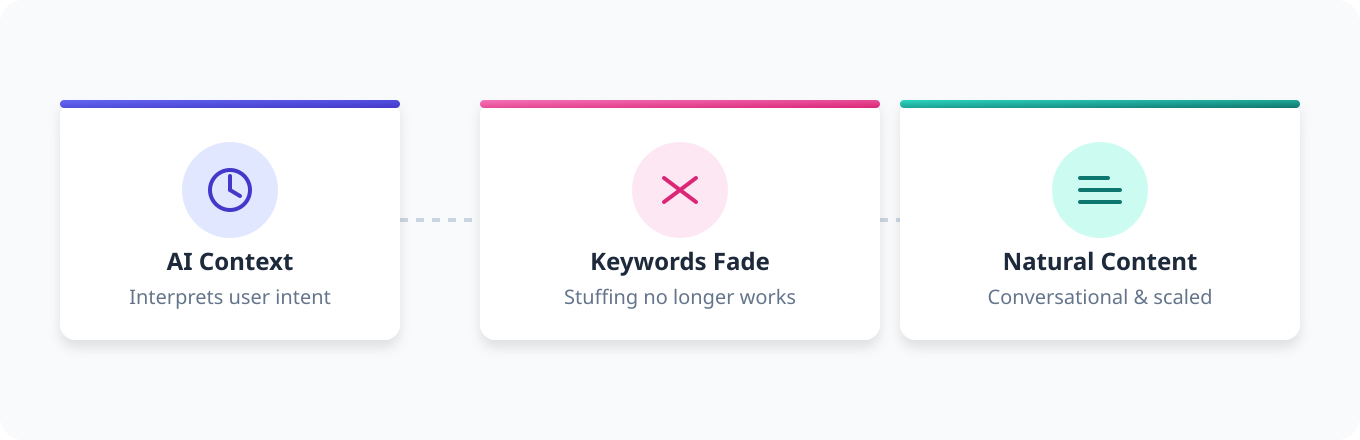
Artificial intelligence has fundamentally changed how search engines understand and serve local queries. Google's AI models now interpret user intent with remarkable accuracy, delivering results that match not just keywords, but contextual meaning.
For local businesses, this means traditional keyword stuffing no longer works. Instead, you need comprehensive, naturally-written content that addresses specific local user needs. AI tools are helping small businesses create this type of content at scale, leveling the playing field against larger competitors.
The key is focusing on conversational language that mirrors how people actually search: "best coffee shop near downtown" rather than "downtown coffee shop."
Zero-Click Searches Are the New Normal
More than 60% of local searches now end without a click. Users find what they need business hours, phone numbers, addresses directly in the search results or AI overviews.
This trend makes optimizing your Google Business Profile absolutely critical. Your profile must be complete, accurate, and continuously updated with fresh content like posts, photos, and Q&A responses. Optimizing your Google My Business description has become one of the highest-leverage activities for local visibility.
Schema markup is also essential for feeding search engines the structured data they need to display your information prominently in knowledge panels and rich results.
Voice and Visual Search Continue Growing
Voice-activated searches through smartphones and smart speakers now account for nearly 40% of local queries. These searches are longer, more conversational, and often question-based.
To capitalize on this trend, structure your content around natural questions: "Where can I get my car serviced on Sunday?" or "Which pizza place delivers fastest in Brooklyn?"
Visual search is equally important. Google Lens allows users to search using images rather than text. Ensuring your location has high-quality, well-tagged photos across your online presence especially in Google Business Profile increases your chances of appearing in these visual results.
Hyper-Personalization Based on User Behavior
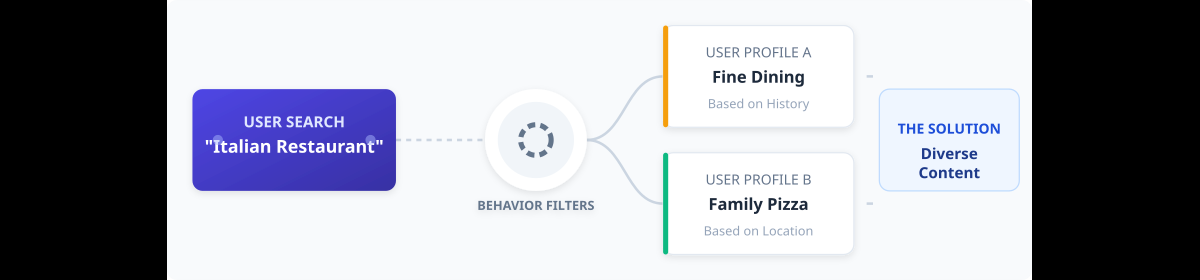
Search engines now deliver results customized to individual user preferences, past behavior, and real-time location data. Two people searching for "Italian restaurant" from the same neighborhood might see completely different results based on their search history and preferences.
This personalization means you need diverse, comprehensive content that appeals to various customer segments. Creating content for different use cases, demographics, and intent signals helps ensure your business appears for multiple personalization profiles.
Building a robust local SEO blog strategy with varied topics addressing different customer needs positions you to capture these personalized searches.
Review Velocity Matters More Than Ever
Google's algorithms now prioritize the frequency and recency of reviews, not just the overall rating. A business with 50 reviews from the past three months will often outrank one with 200 reviews from three years ago.
This "review velocity" trend means you need consistent systems for generating fresh customer feedback. Automated review requests after purchases or service completion, responded to promptly and professionally, signal to search engines that your business is active and engaging.
Responding to reviews both positive and negative also impacts rankings. It demonstrates customer engagement and provides additional keyword-rich content that search engines index.
Multi-Location Strategies Require Automation
For businesses with multiple locations, manually managing local SEO across every site is no longer feasible. The complexity of maintaining accurate NAP (Name, Address, Phone) data, unique location pages, localized content, and individual Google Business Profiles demands automation.
Platforms that can programmatically generate location-specific content while maintaining quality are becoming essential. LeafPad's programmatic SEO capabilities allow businesses to scale content across hundreds of locations while ensuring each page remains optimized and relevant to its local audience.
This approach combines efficiency with the personalization that modern local search demands.
Mobile-First Indexing is Non-Negotiable

With over 75% of local searches happening on mobile devices, Google now exclusively uses the mobile version of your site for indexing and ranking. If your mobile experience is slow, difficult to navigate, or lacks essential information, your rankings suffer across all devices.
Core Web Vitals loading speed, interactivity, and visual stability directly impact local search rankings. Regular technical audits to identify and fix mobile performance issues are crucial.
Local landing pages must load in under three seconds, have click-to-call buttons prominently displayed, and provide immediate access to directions and business hours.
Local Link Building Through Community Engagement
High-quality local backlinks remain a powerful ranking signal. In 2026, the most effective approach is genuine community involvement that naturally generates links from local news sites, business associations, and community organizations.
Sponsoring local events, participating in community initiatives, and creating shareable local resources (like neighborhood guides or local statistics) attract authoritative local backlinks that boost your domain authority for location-specific searches.
This strategy works better than generic link-building tactics because these links carry contextual relevance that search algorithms recognize and reward.
The Rise of Service Area Pages
Businesses serving multiple areas without physical locations in each are seeing success with dedicated service area pages. These pages target "[service] in [city]" queries and provide localized content that addresses specific community needs.
The key is making each page genuinely useful not just template content with city names swapped. Include local landmarks, area-specific challenges, and community-relevant information that demonstrates real local expertise.
When done at scale with programmatic content systems, this approach can dramatically expand your local search footprint across entire regions.
Preparing Your Local SEO for 2026 and Beyond
The businesses winning at local SEO in 2026 share common traits: they embrace automation where it makes sense, prioritize genuine customer engagement, and maintain technically sound, mobile-first websites.
Rather than trying to manually keep pace with algorithm updates and emerging trends, successful local businesses are building systems combining AI assistance, automated content generation, and strategic human oversight to stay consistently visible in local search results.
The trends we're seeing now will only accelerate. Positioning your business to adapt quickly through scalable systems and flexible content infrastructure is the smartest investment you can make in local search visibility.
Published with LeafPad