I hate counting keyword density. I used to do it manually, tweaking meta tags and headers until my eyes blurred. If you're publishing at any real scale in 2026, doing SEO by hand is just a recipe for burnout. Automatic SEO optimization takes the guesswork out of ranking by using software to analyze on-page elements, suggest keywords, and fix technical issues in real time.
Search engines chew through billions of pages a day. No human reviewer can keep up with that pace. Every delayed fix or missed keyword is traffic your competitors will gladly take. Let's talk about how automatic SEO works and how to actually use it without your content turning into robotic slop.
What Is Automatic SEO Optimization
It's software that analyzes, scores, and improves content for search visibility without you hovering over it. It handles keyword placement, meta tags, readability, internal linking, and structural fixes. The goal is simple: optimize fast enough to actually matter.
Old-school SEO meant writers manually checking keyword density, fiddling with headers, and guessing at meta descriptions. Automatic systems swap that guesswork for data, instantly pulling search intent signals, competitor patterns, and readability scores.
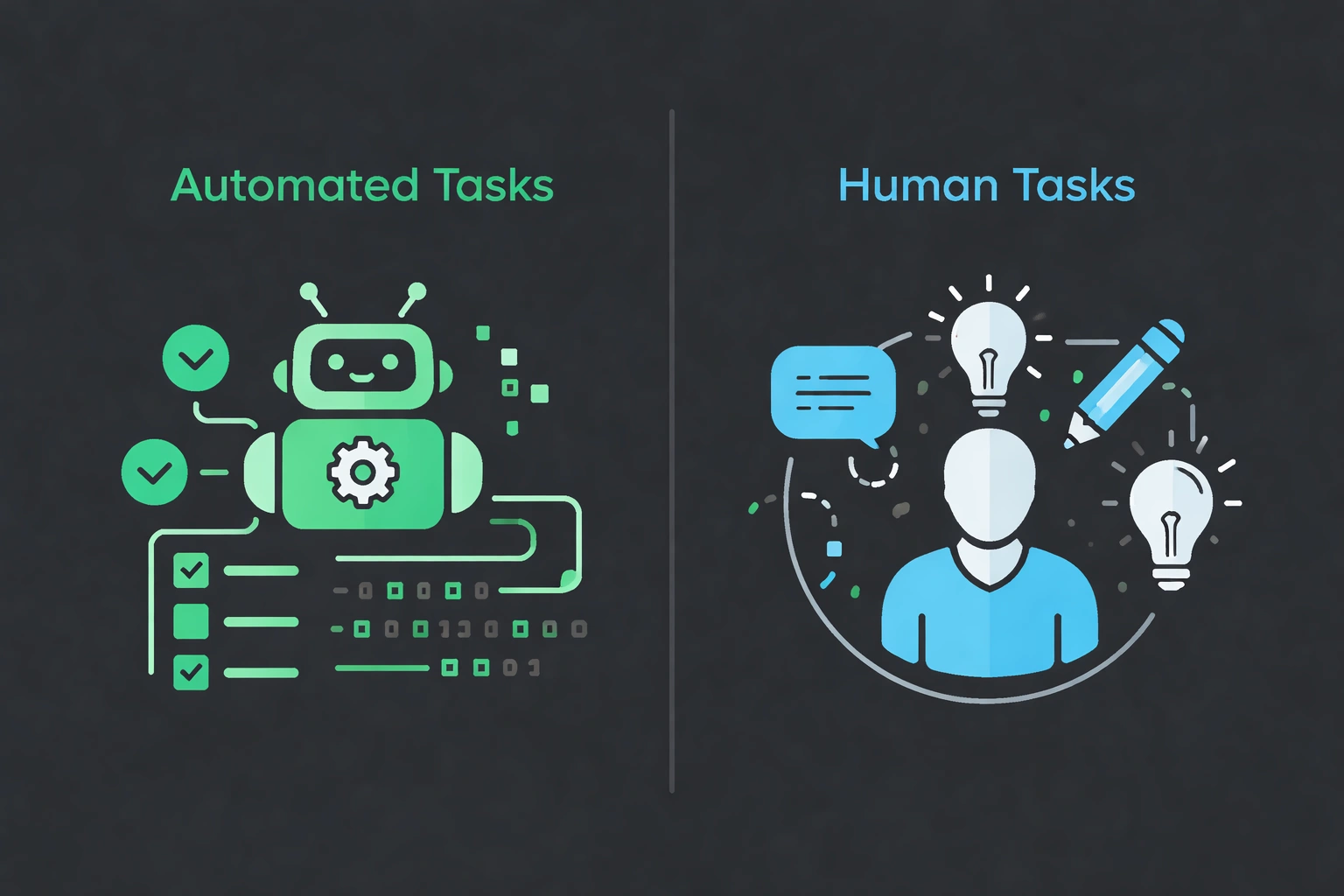
Here is what gets automated versus what actually needs a human:
| Task | Automated | Manual |
|---|---|---|
| Keyword suggestions | Yes | Rarely needed |
| Meta description drafting | Yes | Light editing |
| Readability scoring | Yes | No |
| Heading structure checks | Yes | No |
| Brand voice and nuance | No | Yes |
| Final editorial review | No | Yes |
Tools like LeafPad's SEO text tools bake this automation right into the writing process, so you don't have to treat it as a separate chore after you hit publish.
How Automatic SEO Optimization Works Behind the Scenes
These systems run on algorithms that scan your content against the ranking factors search engines already use. We're talking keyword relevance, semantic coverage, page structure, and internal linking density. The software flags gaps and suggests fixes before you publish.
Most platforms use a scoring model. The tool evaluates your content against a target keyword and a readability benchmark at the same time. If a paragraph drags on or a heading skips the primary keyword, it flags it immediately.
A normal workflow looks like this:
- Content is scanned for target keyword density and placement
- Semantic variations and related terms get suggested automatically
- Meta title and description are generated or scored against character limits
- Internal linking opportunities are surfaced based on existing site content
- Readability is scored using sentence length, passive voice, and paragraph structure
- A final SEO score is displayed before publish
This is the exact kind of workflow covered in SEO content analysis for beginners, which walks through a pre-publish checklist that pairs nicely with automated scoring.
Why Manual SEO Optimization Falls Short in 2026
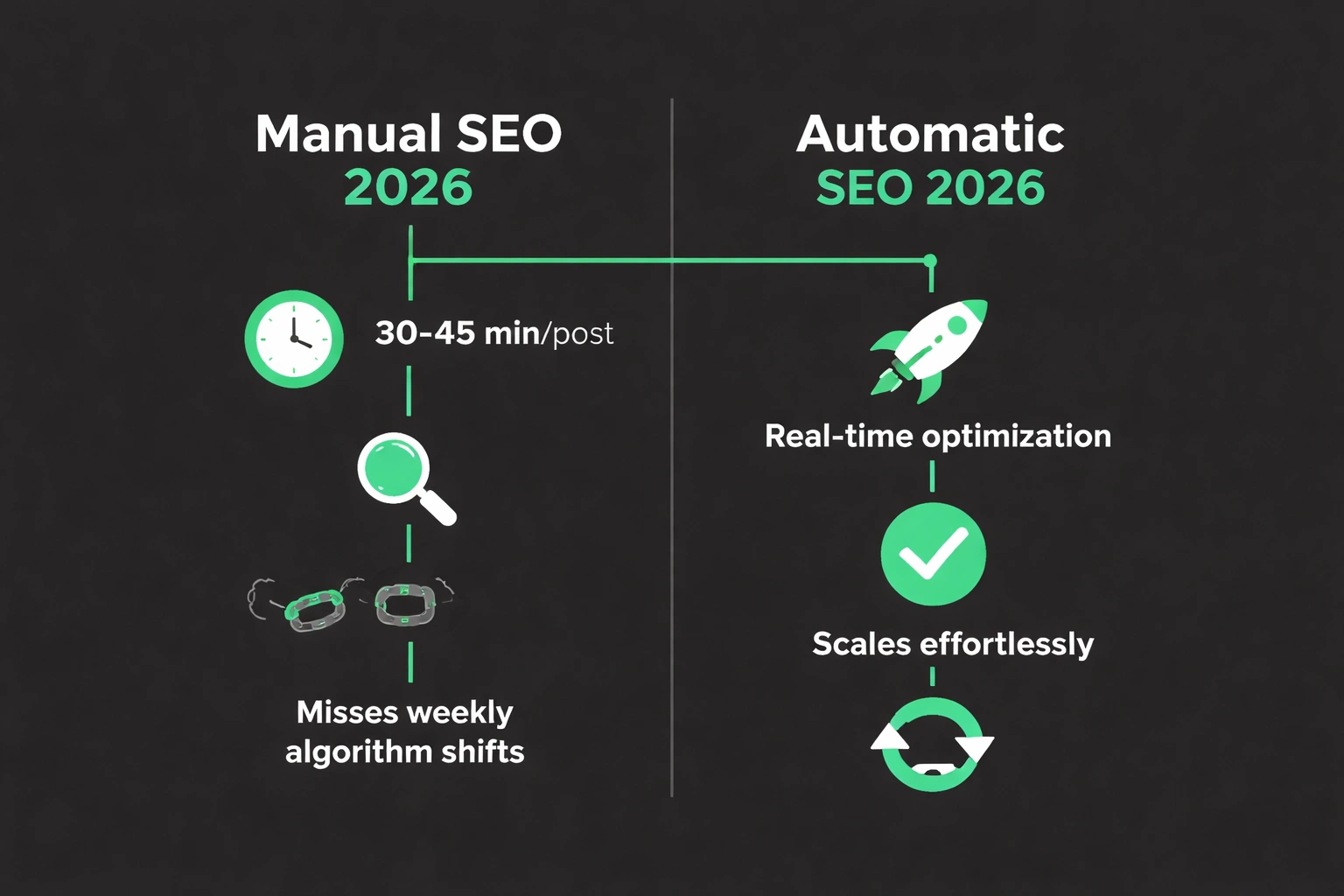
Manual SEO just doesn't scale with the volume of content businesses need to push out now. A single writer checking keyword density, meta tags, and internal links by hand might spend 30 to 45 minutes per post just on optimization. Multiply that across 20 posts a month and you're burning massive hours.
Search algorithms also update way faster than manual processes can track. Google's ranking systems now use hundreds of micro signals, many of which shift based on user behavior data updated weekly. If a human only reviews content once before publish, they miss these shifts entirely.
Then there's the consistency problem. Different writers apply SEO rules differently, even if you hand them a style guide. One person might over-optimize headers while another skips meta descriptions completely. Automatic optimization applies the exact same standard to every single piece of content.
Core Components of an Automatic SEO Optimization System
A good system doesn't just do one thing. It combines a few different engines working together: keyword analysis, content scoring, technical auditing, and link suggestion. Each one targets a different layer of search visibility.
Keyword analysis engines scan target terms and suggest semantic variations that search engines expect to see in comprehensive content. It goes beyond simple density counting and actually looks at topical coverage.
Content scoring modules evaluate structure, readability, and formatting. They check heading hierarchy, paragraph length, and use of bullet points or tables.
Technical auditing tools catch the annoying stuff: broken links, missing alt text, slow loading elements that hurt rankings independent of content quality. LeafPad's index checker is a good example of a tool that automates this layer specifically.
Link suggestion systems find opportunities to connect related content internally, which strengthens topical authority across a site. This ties closely into the practices detailed in internal linking strategies.
Here is how these pieces talk to each other during content creation:
- Writer drafts content in an editor with live scoring
- Keyword engine suggests missing semantic terms
- Structure checker flags heading or paragraph issues
- Link module suggests 2 to 3 internal links based on site content
- Technical audit runs a final check before publish
- Content gets a composite SEO score and go-live approval
Practical Steps to Implement Automatic SEO Optimization
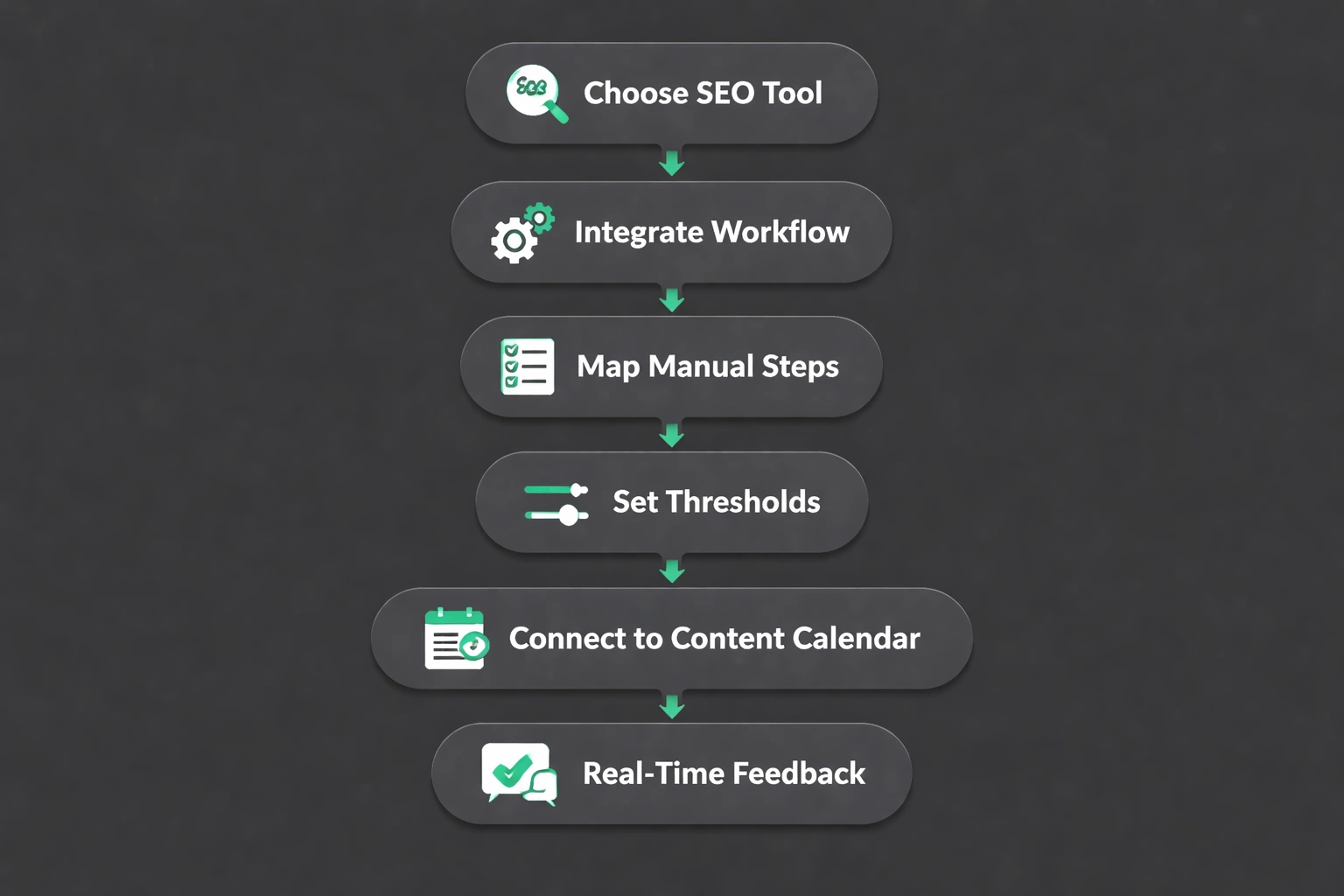
You need to pick a tool that integrates directly into your writing workflow. You want real-time feedback, not an after-the-fact report that you have to go back and fix.
Look at your current publishing process. Figure out where manual SEO checks happen right now. Is it a checklist? A plugin? A person reviewing drafts? Map each manual step to an automated equivalent.
Set clear scoring thresholds. Decide what SEO score a piece needs before it publishes. This stops rushed content from going live without basic optimization.
You should also connect your automatic optimization tool to your content calendar. Platforms like LeafPad's content calendar feature let you schedule content that has already passed automated SEO checks, removing a manual gatekeeping step.
Don't just set it and forget it, though. Look at the automation output weekly, not just at publish time. These systems improve when you feed them feedback about what actually ranked. If a heavily optimized post tanks, adjust the scoring model or keyword targets.
For teams building this out from scratch, SEO content development covers how to turn this into a repeatable system instead of a one-time setup.
Common Mistakes When Automating SEO Optimization
The biggest failure is treating software scores as the only measure of quality. A perfect keyword score doesn't mean the writing is good. If you publish technically optimized filler, search engines will eventually catch on.
Relying entirely on automation without editorial review creates repetitive, robotic-sounding content. Search engines have gotten better at detecting this, and rankings drop as a result.
Another mistake is ignoring semantic context. Some tools push keyword stuffing disguised as "optimization," cramming target terms into every sentence. This wrecks readability and user trust at the same time.
Teams also forget to update their automation rules as algorithms shift. A scoring model built for 2024 ranking factors might not mean much in late 2026, especially with AI-driven search results changing what "optimized" even means.
Measuring the Impact of Automatic SEO Optimization
You should measure this through organic traffic growth, ranking position changes, and time saved per published piece. Those three metrics show whether automation is actually improving outcomes, not just producing pretty scores.
Track organic traffic weekly instead of monthly to catch trends early. A sudden drop after implementing new rules means something is wrong.
Compare your average time to publish before and after automation. Teams usually see optimization time drop from 30-45 minutes per post to under 10 minutes once automated scoring replaces manual checklists.
Watch ranking movement for target keywords over 60 to 90 days. Automatic optimization compounds over time as internal linking and content structure improvements pile up across a growing site.
Final Thoughts
Automatic SEO optimization isn't a luxury for big content teams anymore. It's a baseline requirement for anyone publishing consistently in 2026. The tools have finally matured enough to handle the repetitive, data-heavy parts of optimization while leaving the creative and editorial judgment to humans.
Start small, measure what actually changes, and build automation into your workflow instead of bolting it on afterward. Explore LeafPad's full feature set to see how integrated automatic optimization compares to stitching together separate plugins and tools.
Published with LeafPad