Auto SEO AI handles the optimization work most writers hate. It scans your draft as you write, flagging issues with structure, meta tags, and readability. What used to take hours checking keyword density, fiddling with meta descriptions, hunting for internal links now happens inside the editor while you're still working on the actual post.
Bloggers in 2026 are publishing more than ever, but nobody has extra patience for manual SEO tasks. Auto SEO AI does the repetitive work, leaving writers to focus on ideas. The stakes are real enough: a post that isn't optimized sits invisible on page five, no matter how good the writing is.
What Auto SEO AI Actually Does
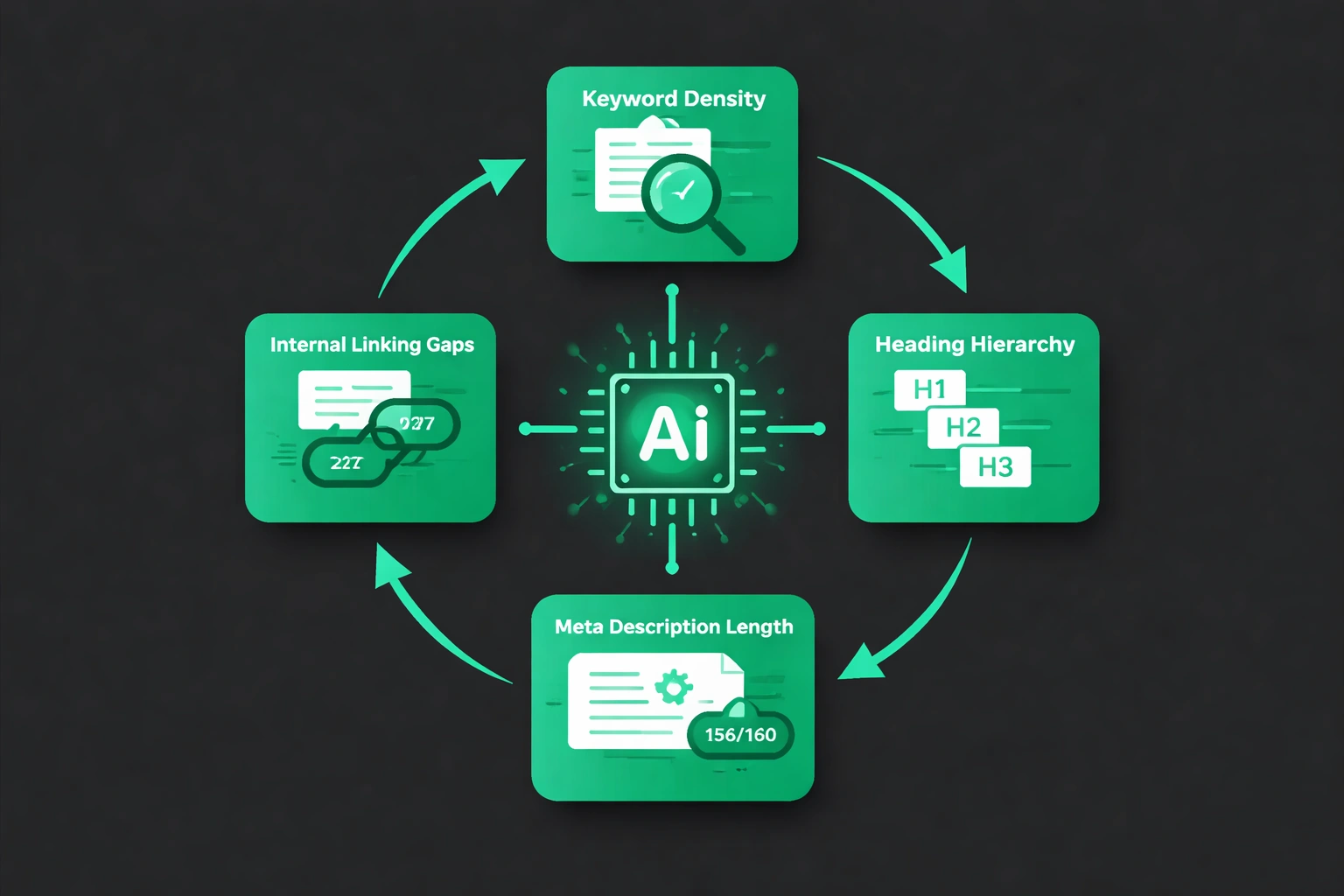
These systems scan your draft and flag opportunities most writers miss. They check keyword density, heading hierarchy, meta description length, and internal linking gaps in one pass. Instead of running five separate tools, you get a continuous feedback loop.
This isn't a fancy spell-checker. Auto SEO AI is trained on ranking patterns, search intent signals, and content structure data from millions of indexed pages. It knows the difference between a post that mentions a keyword and one that actually answers the searcher's question.
Here is what typically happens behind the scenes:
- The AI parses your draft's headings and compares them against top-ranking competitors
- It flags missing semantic terms related to your primary keyword
- It suggests meta descriptions sized correctly for search result snippets
- It recommends internal links based on your existing content library
- It scores readability against the average reading level of your audience
Tools like LeafPad's AI blog generator build this analysis directly into the drafting process, so optimization isn't a separate step tacked on after writing.
Why Bloggers Need This More Than Ever
Bloggers face a tight window between publishing and getting indexed, ranked, and read. Search engines and AI models both reward freshness, structure, and clarity three things auto SEO AI is built to enforce. Skipping this layer means competing on instinct alone.
Manual SEO checklists still work, but they're slow. A single blog post might require checking keyword placement, verifying heading structure, writing a meta description, and finding internal link opportunities. Doing this by hand for one post takes thirty minutes if you're fast. Doing it for twenty posts a month eats half your week.
Auto SEO AI compresses that workflow into something like a live spell-checker. You write a sentence, the system evaluates it against SEO best practices, and you get a suggestion before you've finished the paragraph. This is the same principle covered in our guide on understanding SEO writing clarity and strategy, but auto SEO AI automates the checks rather than just teaching the rules.
Core Features to Look For
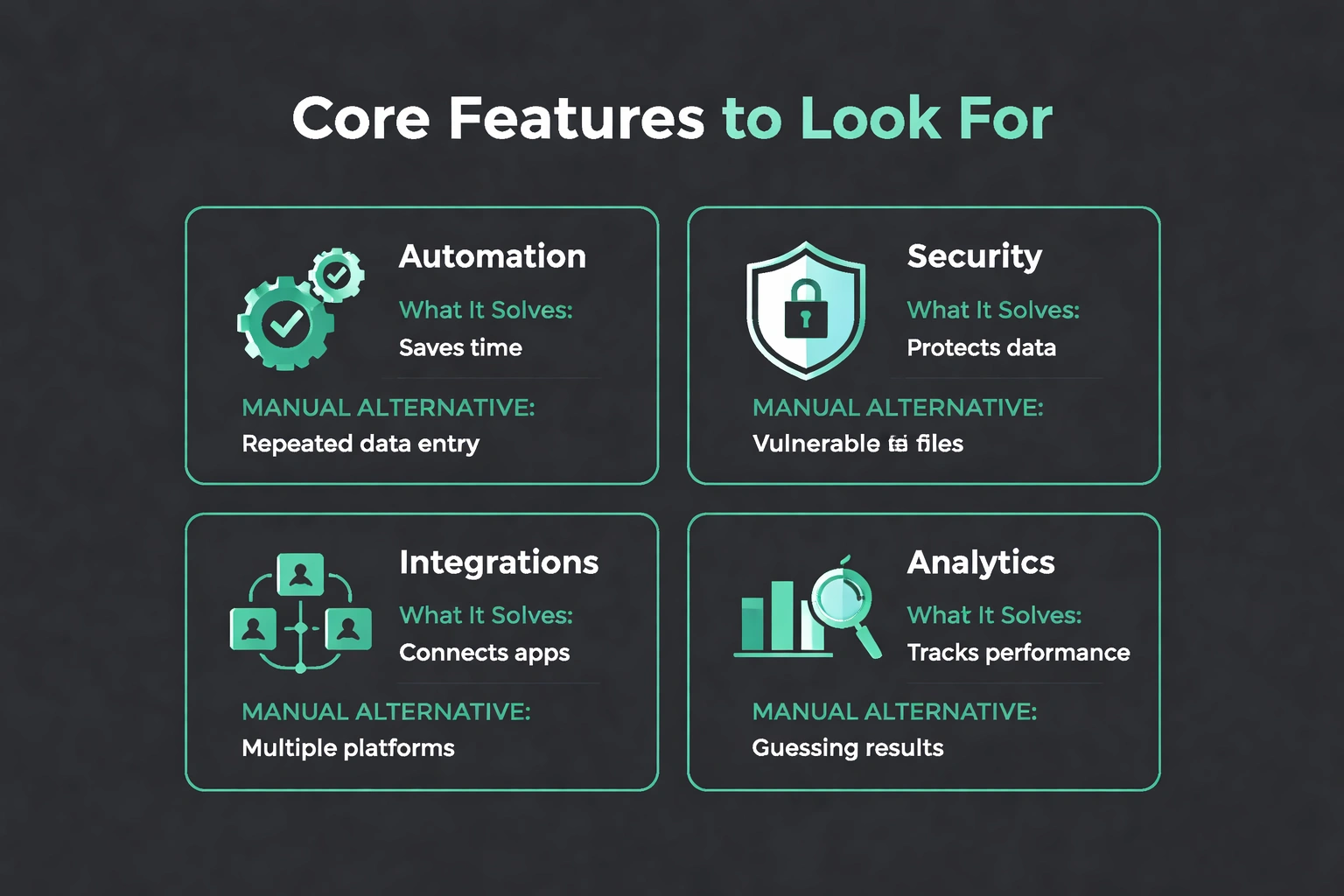
A useful auto SEO AI tool combines several features into a single writing environment. You shouldn't have to bounce between tabs. The best systems integrate keyword suggestions, meta optimization, and structural feedback without slowing down the writing process.
| Feature | What It Solves | Manual Alternative |
|---|---|---|
| Real-time keyword scoring | Prevents over/under-optimization | Separate keyword density checker |
| Auto meta description drafts | Saves snippet-writing time | Manual character counting |
| Heading structure analysis | Improves scannability and SEO | Manual outline review |
| Internal link suggestions | Builds topical authority | Manual site search |
| Readability scoring | Matches content to audience level | Third-party readability tools |
If you want to test individual pieces of this stack before committing to a full platform, LeafPad offers standalone utilities like the SEO title generator, meta description generator, and keyword density analyzer. These give you a taste of automated optimization without a platform switch.
How Auto SEO AI Handles Keyword Placement
Keyword placement decides whether search engines understand what your post is about. Auto SEO AI evaluates keyword frequency, proximity to headings, and natural language flow at the same time. It stops bloggers from ignoring keywords or repeating them until the text reads like a robot wrote it.
Older SEO advice pushed writers toward rigid keyword density percentages hit 2%, avoid going over 3%. Auto SEO AI has largely scrapped that rulebook. Modern systems evaluate semantic relevance, checking whether related terms and synonyms appear naturally.
For example, a post targeting "auto seo ai" doesn't need to repeat that exact phrase twenty times. A well-trained system will flag related terms like "automated optimization," "AI-driven SEO," and "content scoring tools" as supporting signals. This mirrors the approach outlined in our keyword research resources, where semantic coverage matters more than raw repetition.
Practical Examples of Auto SEO AI in Action

The value becomes obvious during the editing phase, when writers are tired and less likely to catch structural issues. A blogger finishing a 1,500-word draft at midnight isn't going to manually cross-check heading hierarchy against top-ranking competitors.
Consider a food blogger publishing a recipe post. Without automated tools, they might forget to add a meta description, skip an H2 for the "ingredients" section, or bury the recipe steps under three paragraphs of story. Auto SEO AI catches these issues:
- It flags the missing meta description and generates three draft options
- It suggests breaking the story intro into a shorter section with a clear H2
- It recommends moving the ingredients list higher for better scannability
Another example: a SaaS blogger writing a comparison post. Auto SEO AI can suggest internal links to related comparison pages, like LeafPad's own compare section, keeping readers on-site longer and helping search engines see stronger topical clustering.
Common Mistakes Bloggers Make With Auto SEO AI
Bloggers often assume auto SEO AI means fully hands-off publishing. It doesn't. The AI provides suggestions based on patterns, but human judgment still decides what fits the brand voice and audience. Blind acceptance of every suggestion flattens a blog's personality.
Another mistake is treating the AI's score as the final goal. A post can hit a perfect optimization score and still fail to answer the reader's actual question. Auto SEO AI measures structure and signals, not truth or usefulness that part still requires a human editor.
A few other pitfalls worth watching:
- Accepting every AI-generated meta description without personalizing tone
- Over-relying on suggested internal links instead of choosing ones that add real value
- Ignoring readability warnings because the content "sounds smart"
- Publishing without a final human read-through
For bloggers building a consistent editorial process, pairing auto SEO AI with a structured workflow like the one in SEO content development 2026 helps balance automation with quality control.
Where Auto SEO AI Fits Into a Bigger Workflow
Auto SEO AI works best as one layer in a broader content system, not a standalone fix. Bloggers who pair it with content calendars, internal linking strategy, and refresh cycles see better results over time rather than isolated wins.
LeafPad's approach ties these pieces together. The platform's content calendar helps plan when optimized posts go live, while content refresh tools re-run the AI analysis on older posts as ranking factors shift. This keeps a blog's archive aligned with current search behavior, not just the newest posts.
Internal linking also plays a bigger role than most bloggers realize. Auto SEO AI can suggest connections between posts, but tools like internal linking automation make sure those suggestions actually get implemented site-wide.
Getting Started Without Overwhelming Your Workflow
Bloggers new to auto SEO AI should start with one feature rather than adopting an entire suite overnight. Meta description generation or heading analysis are low-risk starting points that show quick wins without disrupting existing habits.
From there, expanding into full-draft AI assistance makes more sense once you trust the suggestions. LeafPad's auto-publish feature, for instance, lets you queue optimized content without manually managing every publishing step useful once the optimization habit is already in place.
For a broader look at how AI-powered tools fit into content optimization overall, the parent guide on SEO text tools for 2026 covers the full toolkit. Pricing details for platforms offering these features are available on the pricing page, and a full feature breakdown lives on the features page.
Auto SEO AI isn't replacing bloggers. It's just taking the tedious 20% of the job the counting, the checking, the formatting and doing it faster than you can.
Published with LeafPad