Most teams pick an AI SEO platform based on features. Speed, dashboards, integrations sure, they matter. But historical data is what actually separates a basic reporting tool from something strategic. Without a data trail, you can't prove progress or figure out why your brand suddenly vanished from ChatGPT or Gemini. You need months of citation snapshots, not just live checks. That history shows you trend lines and competitor shifts, and more importantly, whether your content updates actually moved the needle on your AI visibility.
Why Historical Data Matters in an AI SEO Platform
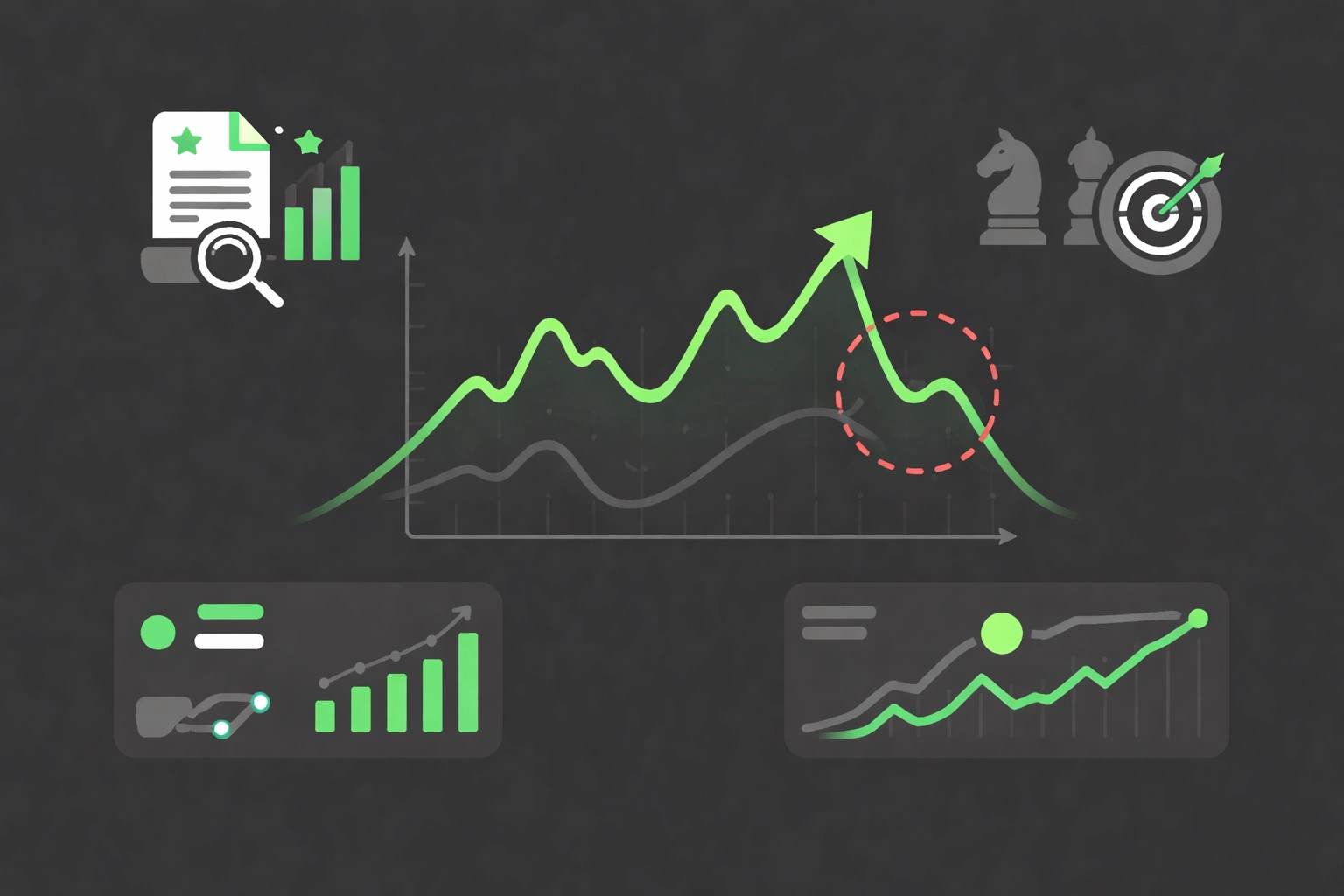
Historical data lets the platform show you actual patterns instead of single snapshots. A tool that only checks today's citation status can't tell you if you gained or lost visibility last month. Trend data turns raw citations into a measurable growth story.
AI search results shift constantly. You might get cited in ChatGPT this week and then completely disappear next week after a model update. Without stored history, you wouldn't even notice the drop until your traffic tanked. Platforms with rolling historical logs catch these shifts early, sometimes within days.
I think about a SaaS company tracking its citation rate in AI Overviews on a weekly basis. Historical charts show a 30% drop right after a content refresh. The team reverts a schema change, and the citations recover within two weeks. If they didn't have historical data, they would have blamed the slow organic traffic on "algorithm noise" and never found the root cause. This is exactly why tools built for ai citations tracking are so critical right now.
Core Features to Look for in an AI SEO Platform
The best platforms handle citation tracking, prompt monitoring, and long-term trend storage together. You want tools that log data daily or weekly, not just on demand. Retention windows, export options, and visual trend graphs are what separate serious platforms from basic checkers.
Here is a quick breakdown of what actually matters when historical tracking is the priority:
| Feature | Why It Matters |
|---|---|
| Data retention length | Longer history means better trend analysis |
| Snapshot frequency | Daily beats weekly for catching sudden drops |
| Prompt variation tracking | Shows how different queries cite you over time |
| Competitor historical comparison | Reveals relative visibility shifts, not just absolute ones |
| Export and API access | Lets you build custom dashboards from raw history |
Snapshot frequency is a big one. A platform that checks citations once a month will miss short-term spikes tied to news events or product launches. Daily or near-daily checks catch these windows before they close.
Prompt variation tracking is another thing people overlook. AI models answer differently depending on how you phrase things. A platform storing historical data across multiple prompt variations for the same topic gives a much fuller picture than tracking one fixed query over and over.
How LeafPad Approaches Historical AI Visibility Tracking
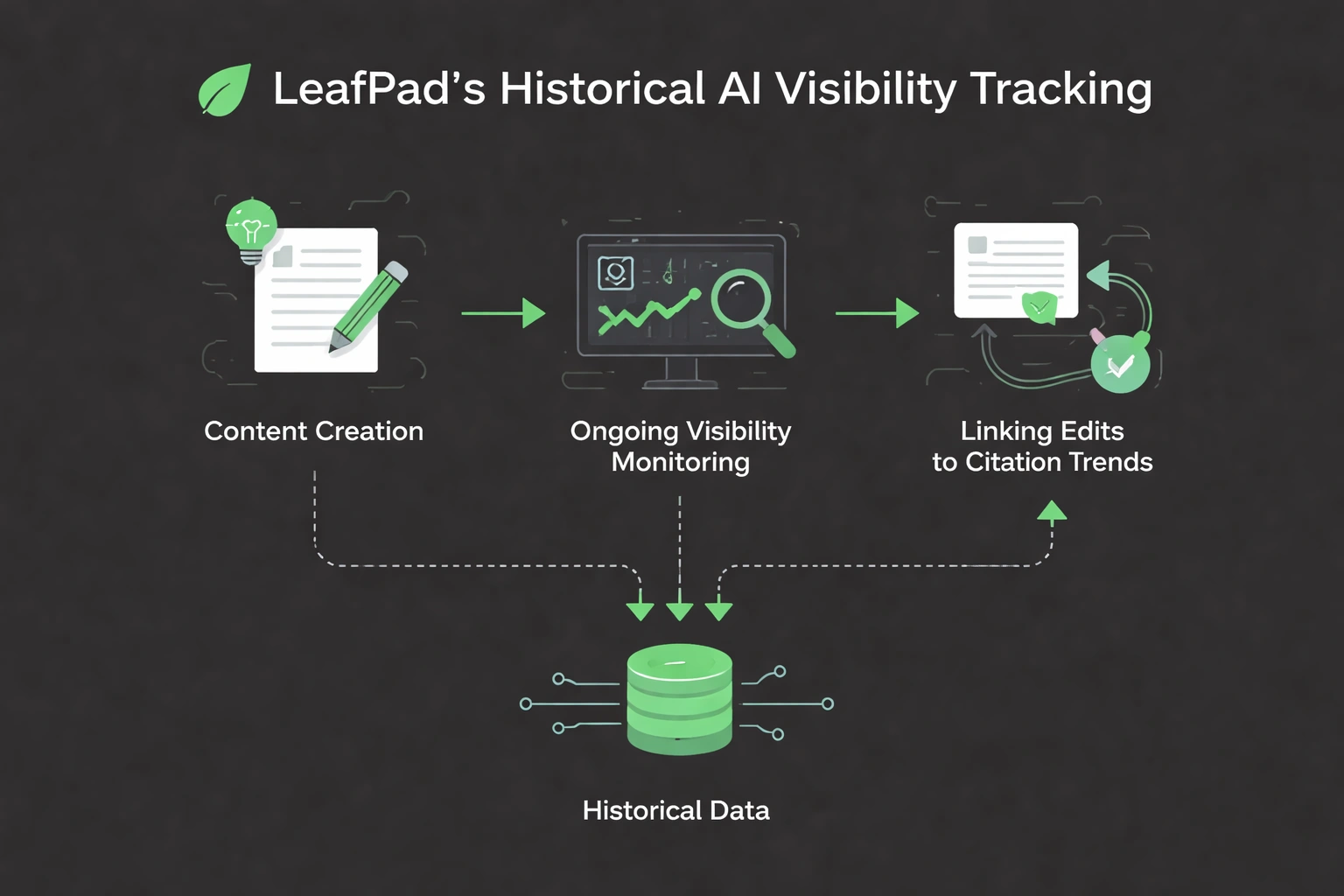
LeafPad builds historical tracking directly into its content and SEO workflow rather than treating it as a separate add-on. Every blog published through LeafPad gets ongoing visibility monitoring, linking content changes to citation trends automatically.
This matters because most standalone AI SEO platform tools only track citations. They can't tell you why a citation appeared or disappeared. LeafPad ties historical citation data to the actual content history, showing how edits correlate with visibility shifts.
For teams already using LeafPad's ai-blog-generator to publish content, this historical layer adds context that raw citation checkers just can't provide. You get before-and-after comparisons tied to specific publish dates, not guesswork.
Comparing Historical Data Depth Across AI SEO Platform Categories
AI SEO platform tools fall into three general categories based on how they handle historical data. Basic checkers show only real-time results with no memory. Mid-tier tools store 30 to 90 days of history. Advanced platforms retain a year or more, enabling seasonal and long-term trend analysis.
Basic checkers are fine if you just want a quick spot check, but useless for actual strategy. If you ask "are we cited right now," a basic tool answers instantly. But if you ask "did our visibility improve after last quarter's content push," a basic tool has nothing to show you.
Mid-tier platforms strike a balance for most small teams. Ninety days of history is enough to spot quarter-over-quarter shifts and correlate them with major content updates. This tier works well for teams following the strategies covered in master-chatgpt-seo, where tracking visibility changes after specific optimization efforts is central.
Advanced platforms with a full year or more of retention suit agencies and larger teams managing multiple brands. Long-term data helps separate seasonal dips from actual ranking losses. It also supports year-over-year reporting for client accounts, something agencies increasingly need to justify AI SEO budgets.
Practical Steps to Evaluate Historical Data Quality
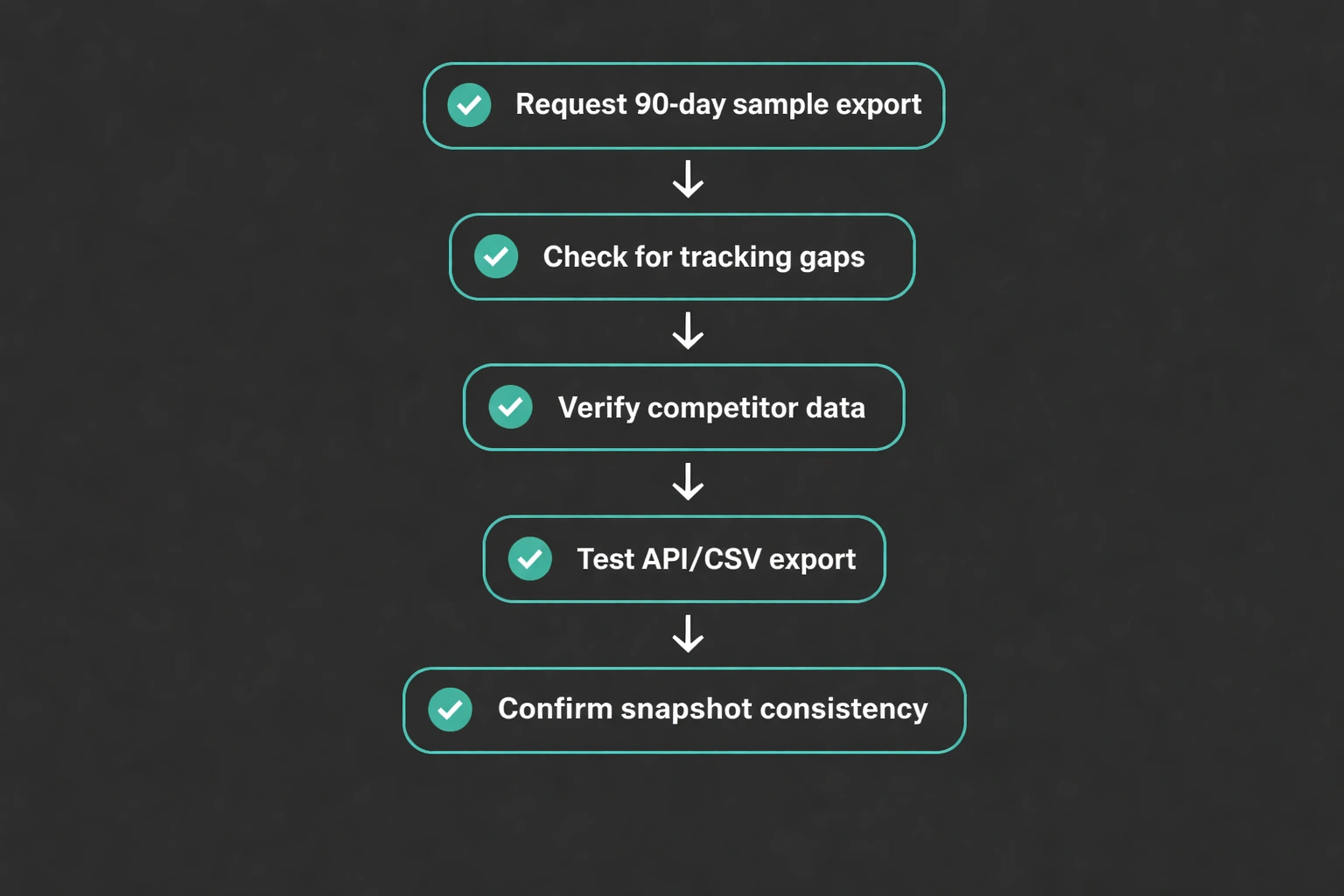
Evaluating an AI SEO platform's historical data quality starts with requesting a sample export. Ask any vendor for a real historical report before committing to a subscription. Check the actual date ranges, snapshot consistency, and whether gaps exist in the tracking timeline.
Run through this checklist before choosing a platform:
- Request a 90-day sample export showing citation trends for a real domain.
- Check for gaps or missed tracking days in the sample.
- Confirm whether historical data includes competitor comparisons, not just your own brand.
- Ask if raw data is exportable via API or CSV for custom analysis.
- Verify how the platform defines a "citation" and whether that definition stayed consistent over time.
That last point trips up a lot of buyers. Some platforms quietly change how they count citations, making older historical data incomparable to newer reports. Always ask vendors directly about methodology changes.
It also helps to pair platform-reported history with your own search-console style tracking where possible, cross-referencing organic traffic alongside AI citation trends. This gives a second data source to validate what the AI SEO platform reports.
Where Historical Data Fits Into a Broader AI SEO Workflow
Historical data becomes most valuable when connected to a repeatable content workflow. An AI SEO platform showing trends without a way to act on them offers limited value. Pairing historical citation data with automated publishing and content refresh cycles turns insight into action.
Teams using auto-seo-ai-tools as their core stack often layer historical citation tracking on top of automated content agents. This lets a team see, for example, that AI-generated updates to a comparison page increased citations by 20% over eight weeks. That kind of feedback loop is only possible with reliable historical logging.
Similarly, teams relying on ai-seo-agents for automated content creation benefit from pairing that automation with historical visibility checks. Automation without measurement is just guessing at scale, which kind of defeats the point. Historical data closes that gap by proving whether automated changes actually helped.
For teams managing large sets of location or comparison pages, this becomes even more important. The auto-publish workflow benefits enormously from historical AI visibility data because it shows which page types earn citations consistently versus which ones never get picked up by AI models at all.
Final Thoughts on Choosing the Right AI SEO Platform
The right AI SEO platform for historical data tracking depends on your team size, retention needs, and how tightly you want tracking tied to your publishing workflow. Small teams can often get by with 90-day retention tools. Agencies and larger brands need a full year or more of reliable, exportable history.
Before signing up for any tool, always request a real data sample. Check for consistency, gaps, and clear citation definitions. Pair whatever platform you choose with a solid publishing workflow so historical insight translates into actual content decisions, not just dashboards nobody reads.
If you are already exploring tools in this space, it is worth comparing LeafPad's approach to pricing and features against dedicated AI visibility checkers to see which combination fits your current content stack best.
Published with LeafPad